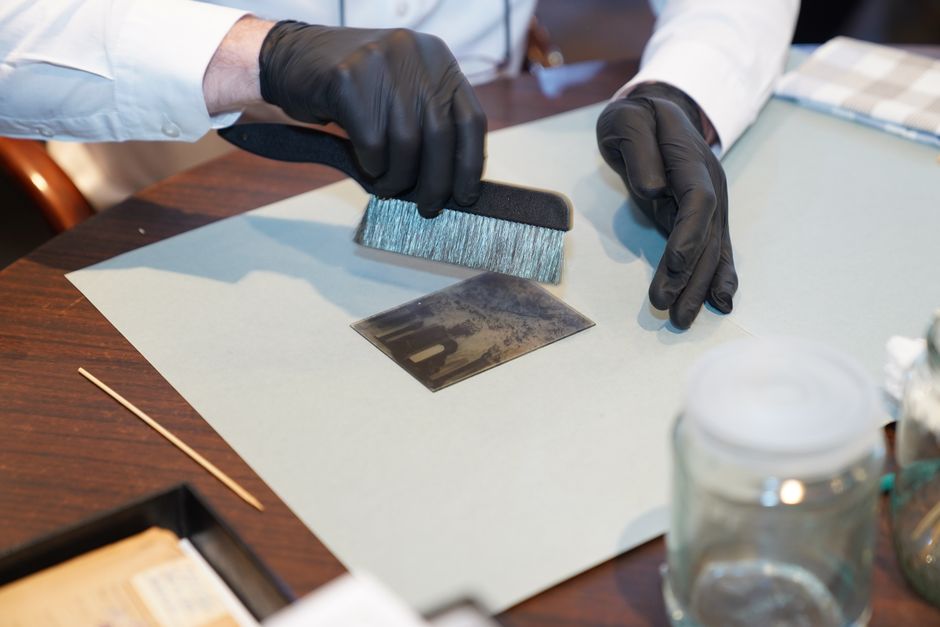
Why choose a certified cleaner for delicate heritage fabric restoration
Posted on 25/10/2026
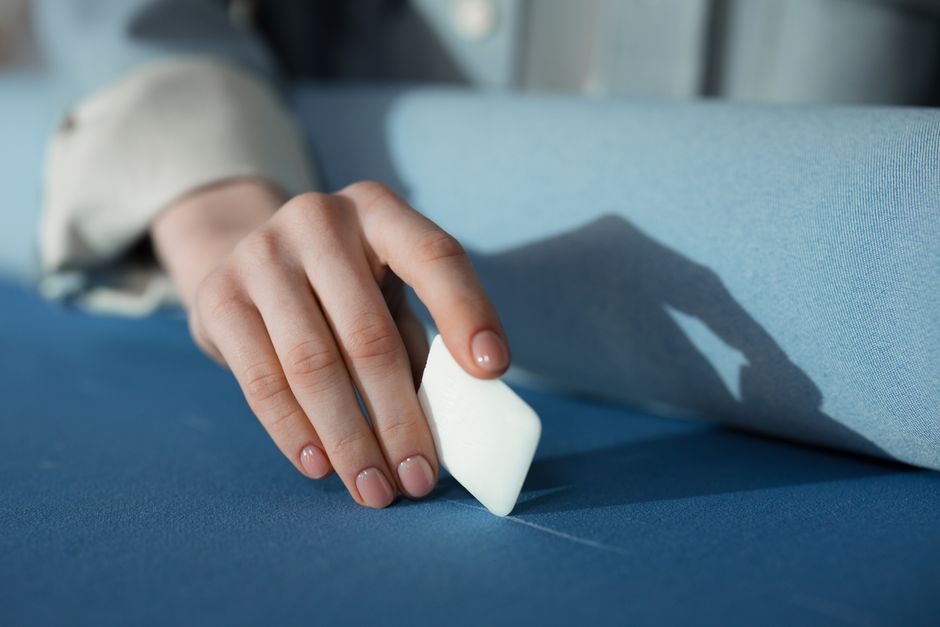
Delicate heritage fabrics are not the sort of thing you want to "have a go at" on a Saturday afternoon. A faded church banner, an antique curtain, a silk-lined family heirloom, or a period rug can look sturdy enough until the wrong cleaner, the wrong temperature, or one too many damp passes leaves permanent damage. That is why why choose a certified cleaner for delicate heritage fabric restoration is more than a search phrase - it is a very practical decision about protecting history, value, and the story stitched into the fibres.
Certified cleaners bring a different level of care. They understand fragile textiles, colour stability, fibre structure, historic finishes, and the limits of safe intervention. In plain English: they know how to clean without making things worse. In this guide, we'll look at why that matters, how the process works, what a trained specialist actually does, and how to judge whether a cleaner is the right fit for a treasured textile that cannot be replaced. Truth be told, that peace of mind is often the real selling point.
- Why it matters
- How the restoration process works
- Key benefits and practical advantages
- Who needs this service
- Step-by-step guidance
- Expert tips for better results
- Common mistakes to avoid
- Tools, resources and recommendations
- Law, compliance, standards and best practice
- Options, methods and comparison
- Case study / real-world example
- Practical checklist
- Conclusion
- Frequently asked questions
Why Why choose a certified cleaner for delicate heritage fabric restoration Matters
Heritage fabric is vulnerable in ways that are easy to miss. To the eye, a curtain, tapestry, altar cloth, or upholstered antique chair may just look dusty, stained, or a bit tired. Under the surface, though, the weave may be weakened, the dyes unstable, and any old repairs already under strain. A basic clean can trigger shrinkage, dye bleed, fibre distortion, or surface abrasion. Once that happens, recovery can be costly, partial, or impossible.
A certified cleaner is trained to spot these risks before they become damage. That matters because heritage textiles are rarely "just textiles." They may be decorative, culturally significant, emotionally irreplaceable, or tied to a period interior where original materials are a major part of the value. In London especially, where period properties, churches, private collections, and small museums often hold mixed-age fabrics in one space, the margin for error is tiny.
There is also the issue of ethics. With heritage materials, best practice is usually to preserve first, intervene lightly, and document everything. That mindset is not always shared by general cleaning services, however skilled they may be in other areas. A certified specialist is more likely to understand that sometimes the correct answer is a minimal clean, a stabilising treatment, or even doing less rather than more. That restraint is not hesitation. It is professionalism.
And let's face it, there is a world of difference between removing everyday dust from a modern sofa and restoring a Victorian damask panel that has survived a century of sunlight, soot, and handling. One is cleaning. The other is careful conservation-minded work.
How Why choose a certified cleaner for delicate heritage fabric restoration Works
The process usually starts with identification. A certified cleaner will assess the fabric type, the age and construction of the item, visible damage, previous repairs, and any contamination such as soot, water staining, mould, or general soiling. That first look is not rushed. Sometimes it is done by daylight, sometimes under controlled lighting, because details change once you see texture and thread direction properly.
Next comes testing. Small, discreet checks help determine how the fabric reacts to moisture, solvents, agitation, and heat. This is where training really matters. A cleaner who has worked with delicate heritage materials knows that one fabric may tolerate a gentle aqueous clean while another needs dry methods or carefully limited spot treatment. No guesswork. No "should be fine."
From there, the method is selected. Depending on the item, that may include:
- controlled vacuuming with specialist attachments
- dry particulate removal
- careful surface cleaning
- targeted stain reduction
- deodorising or odour management where suitable
- supportive drying and flattening to protect shape
- documentation of areas that remain untreated for conservation reasons
For larger or site-fixed items, the cleaner may also coordinate access planning, furniture movement, protection for surrounding materials, and moisture control in the room. This is especially relevant for installed curtains, wall hangings, or soft furnishings that cannot simply be taken away and treated off-site.
Finally, a proper specialist will explain the aftercare. That matters more than people think. A well-cleaned heritage textile can still be harmed later by sunlight, poor storage, damp rooms, or enthusiastic DIY dusting with the wrong attachment. Restoration is a process, not a one-off miracle.
Key Benefits and Practical Advantages
The biggest benefit is obvious: safer results. But there are several practical gains that go beyond "it looks cleaner."
| What a certified cleaner brings | Why it matters for heritage fabric | What can go wrong without it |
|---|---|---|
| Fabric assessment and fibre knowledge | Helps identify silk, wool, linen, cotton blends, metallic threads, trims, and vulnerable finishes | Wrong technique can weaken fibres or distort texture |
| Testing before treatment | Reduces the risk of colour loss, bleeding, or shrinkage | Hidden reactions can appear after the item is already wet |
| Gentle, targeted methods | Protects fragile areas while addressing actual contamination | Heavy-handed cleaning can create new wear patterns |
| Documentation and accountability | Useful for collections, insurance, and long-term care planning | Problems are harder to trace or explain later |
| Aftercare advice | Helps preserve the result for longer | The item may deteriorate again quite quickly |
There is also a financial advantage, oddly enough. Choosing the wrong cleaner can be the expensive option because damage on heritage textiles tends to multiply. One poor treatment can reduce the value of an item, create visible marks, or make future conservation work much more complicated. Paying for competence upfront is often cheaper than trying to undo a mistake later.
Another benefit is confidence. If you are responsible for a family heirloom, a house full of period interiors, or a small institutional collection, you want a process that feels calm and controlled. That calmness is not fluffy. It comes from proper method.
Expert summary: For delicate heritage textiles, the safest choice is usually the cleaner who tests first, handles lightly, documents clearly, and understands that preservation matters as much as appearance.
Who This Is For and When It Makes Sense
This type of service is not only for museums, though they are obvious candidates. It makes sense for anyone responsible for a textile that is fragile, old, valuable, sentimental, or difficult to replace.
Typical examples include:
- private owners of antique curtains, coverlets, or tapestries
- churches and historic buildings with ceremonial fabrics or altar cloths
- interior designers managing period properties
- hotels or venues with heritage furnishings
- collectors handling family textiles, samplers, or decorative panels
- homeowners with original upholstery in older London terraces and flats
It makes sense when the item shows dust build-up, smoke residue, old staining, odour from storage, or visible dullness. It also makes sense before long-term storage, after building works, or after water exposure - though if there is active mould or severe wet damage, time becomes urgent and you should avoid improvising. Seriously, don't put a damp antique curtain in a warm airing cupboard and hope for the best. That is how minor problems become major headaches.
If the textile has decorative stitching, metallic thread, lace, beading, or fragile lining, the case for a certified cleaner is even stronger. These details often fail first and are awkward to repair once compromised. One loose thread can become a long unravelled line before you know it.
Step-by-Step Guidance
If you are comparing providers or preparing an item for treatment, here is a sensible way to approach it.
- Describe the item clearly. Share age, material, visible damage, storage conditions, and any history you know. Even a small detail can matter.
- Ask about training and experience. You are looking for specific experience with fragile textiles, not just general cleaning confidence.
- Request an assessment first. A proper specialist should want to inspect the fabric before promising results.
- Confirm the cleaning method. Ask what techniques they expect to use and what risks they see.
- Discuss testing. Patch tests and discreet trials are a normal sign of care, not indecision.
- Check handling and transport plans. Off-site work, packaging, support boards, and moisture control may all matter.
- Agree on realistic outcomes. Some staining can be reduced but not removed. A trustworthy cleaner will say so plainly.
- Ask for aftercare guidance. Storage, airing, light exposure, and routine dusting all affect longevity.
If you are in the middle of comparing textile-related cleaning options, it can help to understand related services too. For example, if the fabric is part of a wider interior refresh, you might also look at curtain cleaning, upholstery cleaning, or rug cleaning as part of the broader care picture. The point is not to treat every antique as if it were modern, but to see how different textile treatments sit together.
One practical note: a credible cleaner will not be offended by questions. If anything, good ones welcome them. Heritage work is not the place for mystery.
Expert Tips for Better Results
Small choices make a big difference with fragile textiles. Here are the habits that tend to separate a careful outcome from a disappointing one.
- Keep light and moisture under control. Sunlight fades dyes; excess damp weakens fibres and can trigger mould.
- Use the least aggressive method that works. Heritage textiles usually benefit from restraint, not enthusiasm.
- Support the fabric during handling. Large textiles should not be lifted from one corner like a bedsheet. That is a quick route to stress damage.
- Document before and after. Photos, notes, and observations help track change over time.
- Allow proper drying. Rushing this stage can trap moisture deep in the weave.
- Store with breathing room. Tight plastic wrap is rarely a good idea for long-term care.
A good specialist will also recognise the value of local conditions. In London, for example, older buildings may have uneven heating, cooler corners, and pockets of humidity that influence drying and storage. A textile near a draughty sash window behaves differently from one in a stable interior room. It sounds obvious, but it gets missed all the time.
Another tip: if a cleaner talks only about making the fabric "look new," be cautious. Heritage restoration is not about erasing age. It is about preserving dignity, stability, and usability where appropriate. That distinction matters.
Common Mistakes to Avoid
Most problems with delicate heritage fabrics come from well-meant mistakes. That is the awkward bit. People do the wrong thing for the right reasons.
- Using household products. Spray stain removers, bleach, and strong detergents can cause irreversible colour loss or fibre damage.
- Scrubbing stains. Pressure drives soil deeper and can abrade the surface.
- Using too much water. Even water alone can be risky if the fabric is unstable or poorly supported.
- Skipping testing. The fact that a product worked elsewhere means very little on a historic textile.
- Hiring on price alone. A bargain quote is not much comfort if the item is harmed.
- Ignoring storage conditions after cleaning. The room you return the fabric to can undo a lot of good work.
One thing we see often is a rush to deodorise first. Odour can be unpleasant, sure, but smell is sometimes tied to contamination, damp, or old smoke that needs a methodical response rather than a fragrance mask. A scented finish may smell nicer for a day. It does not solve the problem. Not really.
Another mistake is assuming all "certified" labels mean the same thing. Ask what the certification covers, who provided it, and whether it is relevant to fragile textiles rather than general domestic cleaning. The detail matters.
Tools, Resources and Recommendations
Specialist heritage fabric work depends on the right tools. Not flashy tools. The quiet, sensible ones.
- Soft micro-attachments for vacuuming to reduce particulate soil without pulling the weave
- Low-suction, controlled extraction tools where suitable and carefully tested
- White cotton gloves or clean handling barriers for fragile surfaces where appropriate
- Support boards, tissue, and padding for transport and drying
- Magnification and good lighting to inspect seams, stitches, and weak points
- Moisture monitoring equipment when conditions need close control
It can also help to keep a simple record of each textile: material, estimated date, where it is used, known repairs, cleaning dates, and any visible issues. That record becomes genuinely useful over time. If you manage more than one item, it saves a lot of head-scratching later. A tidy note in a folder can be worth more than a vague memory from six months ago.
For readers who are handling heritage interiors alongside everyday cleaning, some broader household care guidance can be helpful too. For example, if you are coordinating a bigger reset around the same time, you might find practical context in spring cleaning or one-off cleaning. Those are not heritage restoration guides, of course, but they can help you plan the environment around the textile while you protect the item itself.
Law, Compliance, Standards, or Best Practice
Heritage fabric work sits in a space where legal duties, insurance expectations, conservation ethics, and practical best practice can overlap. The exact obligations depend on the setting. A private owner caring for a family textile is in a different position from a church, landlord, museum, or commercial venue with preservation responsibilities.
What matters most in practice is careful handling, documented decisions, and a method that does not create avoidable harm. In the UK, professionally minded cleaners working with valuable or historic textiles should be able to explain risk, method, limitations, and aftercare in plain language. If they cannot, that is a warning sign.
For buildings with historic significance, there may also be expectations around preserving original fabric and avoiding unnecessary intervention. That does not always mean "do nothing"; it means do the minimum needed to stabilise and respect the item. If permissions, access, or stakeholder sign-off are involved, it is sensible to confirm those early. It is much easier than untangling a misunderstanding after the fact.
Best practice usually includes:
- pre-treatment assessment
- small-area testing
- clear explanation of limits
- gentle, reversible methods where possible
- record-keeping before and after treatment
- safe handling and storage advice
If an item has possible contamination from mould, pests, smoke, or water damage, more caution is needed. Sometimes a cleaner may advise specialist conservation input rather than routine cleaning. That is not a rejection. It is the right call.
Options, Methods, or Comparison Table
When deciding how to care for a delicate heritage textile, people usually compare three broad approaches: doing it themselves, using a general cleaner, or choosing a certified specialist. Here is the practical difference.
| Option | Best for | Risks | Typical outcome |
|---|---|---|---|
| DIY care | Very minor surface dust on low-risk modern fabrics | High risk on heritage materials; easy to over-wet or abrade | Can help with light dusting, but risky for fragile items |
| General cleaning service | Some standard household textiles | May lack heritage knowledge, testing habits, or specialist equipment | Mixed results; not ideal for valuable or historic items |
| Certified cleaner for heritage fabrics | Fragile, valuable, antique, sentimental, or difficult textiles | Lower risk when properly selected; still depends on condition and honesty about limits | Best balance of preservation, safety, and informed care |
If the item is structurally sound and only lightly soiled, a specialist may use very conservative cleaning. If it is fragile or unstable, they may recommend limited intervention instead. That can feel underwhelming at first, but it is often the smartest outcome. Sometimes the best result is simply preventing things from getting worse.
For broader textile care, a service such as sofa cleaning or carpet cleaning may be relevant for surrounding furnishings in the same room, but the heritage item itself still deserves a specialist approach. One size does not fit all, and fabric certainly knows it.
Case Study or Real-World Example
Imagine a family in South London preparing to renovate a period home. In the dining room sits an antique set of curtains, heavy with dust and faint smoke odour from years of use. They look fine at a distance, but up close the lining is brittle, the weave near the header tape is stressed, and one section has subtle water marking from an old leak.
A general cleaner might focus on the odour and try a strong deodorising treatment. A DIY attempt might involve steam, spot spray, or a quick wash suggestion. A certified cleaner takes a slower route: inspecting the fabric, checking trim stability, testing discreetly, and deciding whether the lining can safely be treated at all. In many cases, the visible face of the curtain can be improved while the most fragile area is left alone or supported rather than exposed to aggressive cleaning.
The result is not a brand-new curtain. That would be the wrong target anyway. Instead, the fabric is cleaner, more stable, and better prepared for continued use or safe storage. And importantly, the owner understands what was done and why. That clarity is worth a lot when the item has emotional value.
We have seen similar decision points with heirloom rugs, upholstered chairs, and decorative textiles in older London homes around areas like Central London and Westminster, where period interiors often mix modern living with original materials. Different setting, same principle: protect what cannot be replaced.
Practical Checklist
Use this checklist before you book or hand over a delicate heritage textile.
- Have I identified the fabric type as best I can?
- Do I know whether the item is antique, heritage, or simply old?
- Have I photographed the item and any damage first?
- Have I asked the cleaner about experience with fragile textiles?
- Did I ask what testing will be done before treatment?
- Have I confirmed whether cleaning will happen on-site or off-site?
- Do I understand the likely limits of what can be improved?
- Have I asked about drying, storage, and aftercare?
- Do I know what happens if mould, water damage, or structural weakness is found?
- Am I comfortable that the cleaner values preservation, not just appearance?
If you can answer most of those with confidence, you are in a much better place. If not, slow down a little. That is perfectly fine.
Conclusion
Choosing a certified cleaner for delicate heritage fabric restoration is really about respect: respect for the material, the workmanship, the age of the item, and the stories it carries. A careful specialist does not rush, guess, or force results. They assess, test, document, and clean only as far as the fabric can safely allow. That is the difference between preserving value and gambling with it.
If your textile is fragile, historic, or simply too precious to replace, the safest route is usually the most informed one. Ask sensible questions, expect honest answers, and choose the person who seems almost boringly careful. Boring is good here. Very good.
Get a free quote today and see how much you can save.
And if you are still unsure, start with the mindset that heritage fabrics deserve patience, not pressure. That single shift saves a lot of regret.