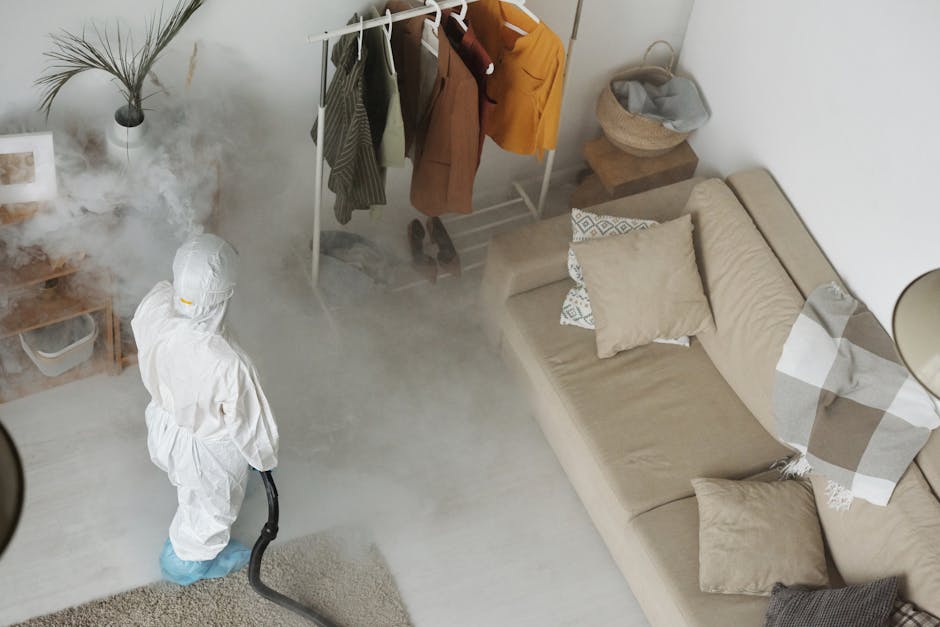
Practical upholstery odour removal methods for UK homes
Posted on 08/10/2026
If your sofa has started to smell a bit stale, musty, smoky, or like last night's takeaway somehow escaped into the fabric, you are not alone. In UK homes, upholstery picks up odours quickly because we live with rain, radiator heat, pets, shoes at the door, and not always enough ventilation. The good news? Practical upholstery odour removal methods for UK homes are usually straightforward once you know what type of smell you are dealing with and how the fabric reacts.
This guide walks through what actually works, what to avoid, and when a deeper clean makes sense. We will keep it practical, because let's face it, nobody needs a lecture when the living room smells faintly of damp socks. You will find step-by-step methods, comparison points, a checklist, and a real-world example that reflects how homes across London and the wider UK tend to be used.
For readers who want a broader home care routine alongside odour control, our house cleaning and spring cleaning pages are useful starting points for keeping soft furnishings fresher for longer.
Why Practical upholstery odour removal methods for UK homes Matters
Upholstery odour is one of those problems people often ignore until it becomes hard to ignore. A sofa can look clean and still hold onto smells from cooking, pets, body oils, moisture, smoke, spillages, or simply day-to-day use. In a UK home, where windows may stay shut for much of the year and heating is used heavily in colder months, odours can linger longer than you expect.
Why does that matter? Because smell affects how a room feels. A living room with a faint stale scent can make the whole house seem less clean, even if the floors are spotless. It can also signal that moisture, bacteria, or residue is sitting inside the fibres or cushioning. Not always, but sometimes. And if there is a damp issue hiding behind the smell, you will want to catch it early.
There is also a practical side. Sofas, armchairs, dining chairs, mattresses, and fabric headboards are expensive to replace. A careful odour removal routine can extend their life and help maintain a more comfortable home. For renters, landlords, and anyone preparing a property between occupants, odour control can make a surprisingly big difference to how a place presents.
Expert summary: Most upholstery smells are not solved by masking them. The aim is to lift the source, dry the fabric properly, and prevent the same smell from returning. That is the whole game.
How Practical upholstery odour removal methods for UK homes Works
At a basic level, odour removal works by removing, neutralising, or drying the material that is causing the smell. That source might be trapped liquid, skin oils, food residue, bacteria, mould spores, smoke particles, or pet-related contamination. Different smells need different approaches, which is why one "magic spray" rarely solves everything.
Most upholstery treatments fall into a few categories:
- Absorption - powders or dry materials draw smell and moisture out of the fabric.
- Neutralisation - certain cleaners alter the odour compounds so they are less noticeable.
- Extraction - damp cleaning or professional equipment pulls residue out of the fibres.
- Ventilation and drying - fresh air and low humidity prevent smells from settling back in.
The type of upholstery matters too. Cotton, linen, wool blends, velvet, synthetic fibres, and leather all behave differently. A water-based treatment that helps one sofa may leave another looking patchy or worse, so you need to check the care label and test first. No drama, just common sense.
Smell source and fabric structure are the two big clues. If the odour is on the surface, a dry method may work well. If it has soaked into cushions or backing, you may need deeper cleaning. And if the smell is musty, that often points to hidden moisture. That one is worth dealing with promptly, especially in older UK properties where airflow can be a bit... optimistic.
Key Benefits and Practical Advantages
There are several reasons to deal with upholstery odours properly rather than covering them up.
- Improved comfort: A fresher room simply feels better to live in.
- Better first impressions: Useful for guests, tenants, or anyone selling a property.
- Longer fabric life: Removing residue early can help prevent permanent staining and fabric breakdown.
- Reduced repeated smells: Cleaning the source stops the odour returning after a day or two.
- More control over allergens and contamination: Especially helpful in homes with pets or heavy use.
There is another benefit people often overlook: confidence. Once a sofa smells clean, you stop worrying about it every time someone sits down. That small sense of relief matters more than it sounds like it should.
For homes that need a wider reset rather than a one-off fix, it can help to pair upholstery care with regular domestic upkeep through domestic cleaning or a deeper one-off cleaning session. Odour problems often return faster in homes where dust, crumbs, pet hair, and moisture are building up around the furniture.
Who This Is For and When It Makes Sense
Practical upholstery odour removal methods for UK homes are relevant to quite a few people, not just households with pets or smokers.
You may need this if you are:
- a homeowner with a sofa that smells stale after winter
- a tenant trying to freshen up furniture before moving out
- a landlord or letting agent preparing a property between occupancies
- someone living with pets, children, or frequent visitors
- trying to remove cooking smells, smoke, spillages, or damp odours
- managing furniture in a flat with limited ventilation
It makes sense when the smell is noticeable but the fabric is still in decent condition. If the upholstery is damaged, heavily stained, or affected by mould, that is a different conversation. Then you may need a more cautious approach or professional help.
As a rough rule, if you can smell it most clearly when you sit down, open a cushion seam, or the room warms up, the odour is probably embedded rather than just sitting on the surface. That is the point where a light freshener may no longer be enough.
Step-by-Step Guidance
Here is the practical method we would use first in a typical UK home. It is simple, but done properly it can make a real difference.
1. Identify the smell before treating it
Start by asking what the odour most likely is. Musty smells usually suggest moisture. Smoke tends to cling to fibres and foam. Pet odours can be both surface-level and deep-set. Food smells may sit in removable covers or under cushions. If you treat the wrong cause, the smell may return by evening. Annoying, yes, but common.
2. Check the care label and test a hidden area
Look for cleaning codes or manufacturer guidance. If you are using a liquid solution, test it somewhere hidden first. A small patch under the sofa skirt or on the back edge is better than discovering a water mark on the front panel. To be fair, this takes five minutes and saves a lot of regret.
3. Remove loose debris
Vacuum the upholstery thoroughly using the upholstery attachment and crevice tool. Get into seams, under cushions, along piping, and into corners where crumbs and dust collect. You would be surprised how often a smell improves simply because the old debris is gone.
4. Air it out
If the weather allows, open windows and create a little cross-ventilation. Even in a chilly UK morning, fresh air can help more than an overpowering aerosol. If the room is damp, use heating and airflow together so you do not trap moisture in the fabric.
5. Use the right odour treatment
Choose the method that suits the smell and the fabric:
- Bicarbonate of soda: good for mild smells on dry, stable fabrics. Sprinkle lightly, leave for several hours, then vacuum thoroughly.
- Fabric-safe upholstery cleaner: useful for general grime and odour together. Apply sparingly and do not soak the fabric.
- Steam or hot-water extraction: best for deeper contamination when the fabric can handle moisture and drying time is managed properly.
- Enzyme cleaner: often useful for pet accidents, food spills, and organic odours because it breaks down the residue rather than masking it.
- Professional cleaning: sensible when the smell is heavy, widespread, or linked to smoke, floodwater, or long-term damp.
6. Dry fully and evenly
This is where many people go wrong. If upholstery stays damp, it can smell worse than before. Use airflow, heating at a sensible level, and time. Cushions should be stood upright or turned so air reaches all sides. If possible, leave the room open and avoid sitting on the furniture until it is properly dry.
7. Reassess after drying
Once dry, smell the fabric again in daylight and in the evening. Some odours are easier to notice after the room has closed up for a few hours. If the smell is improved but not gone, repeat a targeted treatment rather than jumping straight to stronger chemicals.
A useful shortcut: if the odour gets better for an hour and then returns, the source is still there.
Expert Tips for Better Results
There are a few small details that make a bigger difference than people expect. In our experience, these are the ones that save the most time.
- Work in layers. Vacuum first, treat second, dry third. Skipping straight to cleaning is where people lose momentum.
- Do not oversaturate. More liquid does not mean more cleaning. It usually means more drying time and a higher risk of odour returning.
- Focus on cushions and seams. Smells hide where fabric folds and airflow is poor.
- Use the room environment properly. Open windows, use heating carefully, and avoid making the room stuffy again immediately.
- Deal with the source. If a pet blanket, damp rug, or nearby bin is the real culprit, your sofa will only smell fresh for a while.
- Be patient with older furniture. Older foam and padding may hold odour more stubbornly. Sometimes that is just the reality of the thing.
One slightly underused tip: rotate removable cushions and allow them to air separately. It feels like a small thing, but it can dramatically improve drying consistency. And yes, it is a bit faffy. Still worth it.
If the rest of the home needs attention too, upholstery care tends to go hand in hand with carpet cleaning and rug cleaning, especially where smells spread through soft flooring and fabric at the same time.
Common Mistakes to Avoid
Most odour complaints that come back can be traced to one of these mistakes.
- Masking instead of removing. Air fresheners can make a room smell louder, not cleaner.
- Using too much water. Wet upholstery is risky, particularly in cooler UK homes where drying takes longer.
- Ignoring the care label. Some fabrics really do not like water, agitation, or certain chemicals.
- Not drying thoroughly. A half-dry sofa often develops a musty smell by the next day.
- Cleaning only the visible area. Odour often spreads beyond the obvious patch.
- Assuming every smell is the same. Pet odour, smoke, damp, and food residue need different solutions.
There is also a quiet mistake many people make: cleaning late at night and then sitting on the sofa before it is ready. We have all been there. It feels harmless until the fabric holds onto body heat and moisture and the smell creeps back.
Tools, Resources and Recommendations
You do not need a complicated kit to get started. A sensible, modest toolkit is usually enough for most homes.
| Tool or product | Best for | Notes |
|---|---|---|
| Upholstery vacuum attachment | Daily dust, crumbs, pet hair | Good first step before any treatment |
| Microfibre cloths | Light wiping and spot work | Use clean cloths to avoid spreading residue |
| Bicarbonate of soda | Mild odours | Works best on dry, stable fabrics |
| Fabric-safe upholstery cleaner | General cleaning and light smell removal | Test first on a hidden area |
| Enzyme cleaner | Pet and organic smells | Useful when the source is biological |
| Air mover or fan | Drying support | Very helpful after damp cleaning |
| Steam/extraction machine | Deeper cleaning | Only if suitable for the fabric |
For some households, it is better to book help rather than buy kit you will rarely use again. That is especially true if you need upholstery work as part of a larger clean, such as before guests arrive, after a tenancy ends, or when the room needs a full reset. If you are weighing up a deeper tidy, a office cleaning style approach may not apply at home, but the same principle does: targeted work gets better results than random spraying.
And if you are looking for broader home freshness rather than one-off odour removal, the site's upholstery cleaning and sofa cleaning services are the most directly relevant pages to explore.
Law, Compliance, Standards, or Best Practice
For most households, upholstery odour removal is a practical cleaning task rather than a regulated activity. Still, there are a few best-practice points worth respecting, especially if you are dealing with a property professionally or cleaning on behalf of someone else.
First, use products safely. Follow the manufacturer instructions on any cleaning product or machine. That includes dilution, contact time, ventilation, and whether a product is suitable for wool, silk, leather, or synthetic fibres. If a label says not to use on a particular material, believe it.
Second, think about damp and mould risk. In UK homes, especially older flats and properties with limited airflow, leaving upholstery damp can create a lingering musty smell and may contribute to wider moisture issues. If the odour appears alongside visible mould, persistent damp patches, or a water leak history, address the source rather than just the fabric.
Third, be careful in rented properties. Tenants and landlords should avoid cleaning methods that damage the furniture or create a health and safety issue. If furniture belongs to the property, it is sensible to follow reasonable care and keep records of any condition issues before and after cleaning. That is not legal advice, just sensible practice.
Fourth, handle smoke or contamination with care. Heavy smoke odour, flood-related smells, or contamination from pets and bodily fluids can require stronger methods than a simple freshen-up. When in doubt, stop and assess rather than pushing ahead. A rushed clean can make matters worse.
Options, Methods, or Comparison Table
Choosing the right method depends on the smell, the fabric, and how much time you have to let it dry. Here is a straightforward comparison.
| Method | Best for | Pros | Watch-outs |
|---|---|---|---|
| Bicarbonate of soda | Mild stale odours | Cheap, easy, low risk on suitable fabrics | Won't fix deep contamination |
| Spot-cleaning with fabric-safe product | Light spills and surface smells | Targets specific areas | May leave marks if overused |
| Enzyme cleaner | Pet accidents, food, organic odours | Breaks down the source | Needs proper dwell time and testing |
| Steam or extraction | Embedded odour and residue | More thorough cleaning | Risk of over-wetting, longer drying |
| Professional upholstery cleaning | Heavy, stubborn, or mixed odours | Better equipment and expertise | Cost and scheduling |
If you are undecided, a useful rule is this: if the smell is light and localised, start with dry methods and good ventilation. If the smell is widespread, recurring, or tied to a spill that soaked through, a deeper clean is more likely to pay off.
Case Study or Real-World Example
Here is a common type of job: a family in a London flat notices that the sofa smells stale every evening, especially after the heating has been on for a while. There are no obvious stains, but the room has limited airflow and the sofa sits close to the wall. The smell seems worse in wet weather. Classic.
The first step is a thorough vacuum of the sofa, including under the cushions and down the sides. Next, the room is aired for a short period, and the sofa is treated lightly with bicarbonate of soda where the fabric is suitable. After several hours, it is vacuumed again. The cushions are then stood upright so air can move through them, and the sofa is left to dry fully with a window cracked open and the heating low rather than blasting.
In many cases like this, the main improvement comes not from the powder alone but from the combination of cleaning, airflow, and drying. If the smell is still present after that, the next likely cause is trapped moisture in the cushion filling or a hidden source nearby, such as a rug, curtains, or even the wall behind the sofa. You follow the smell, basically. The smell usually gives itself away if you are patient.
For homes where the issue is part of a bigger refresh, support from curtain cleaning or a wider one-off clean can make the whole room feel noticeably fresher, not just the sofa.
Practical Checklist
Use this before and after you treat the upholstery.
- Identify the smell source: stale, damp, smoke, pet, food, or spill
- Check the care label or fabric guidance
- Vacuum the upholstery thoroughly, including seams and cushions
- Open windows or improve airflow if the weather allows
- Test any cleaner on a hidden area first
- Use only the amount of product needed
- Avoid soaking the fabric
- Allow full drying time before use
- Recheck the smell after the room has closed up for a while
- Investigate nearby sources if the odour returns
Quick sanity check: if the furniture still feels cool or slightly damp to the touch, it is not finished drying yet.
Conclusion
Practical upholstery odour removal methods for UK homes work best when they are matched to the actual cause of the smell, not just sprayed over it. Start with vacuuming, ventilation, and a fabric-safe treatment, then give the upholstery enough time to dry properly. That simple order matters more than people think.
Most everyday smells can be improved with the right approach, but the deeper lesson is this: odour control is about patience, not panic. If the fabric is treated carefully and the source is dealt with properly, your sofa, chairs, or cushions can feel genuinely fresh again. And that makes the whole room feel easier to live in.
If you want help turning a stubborn smell into a proper fresh start, now is a good time to take the next step.
Get a free quote today and see how much you can save.