Expert Techniques to Vanish Damp Odors
Posted on 03/06/2025
Expert Techniques to Vanish Damp Odors: Your Complete Guide
Unpleasant damp odors can make any living space uncomfortable, indicate underlying issues, and even impact indoor air quality. Whether you're battling musty smells in a basement, bathroom, or wardrobe, knowing effective ways to eliminate damp smells is crucial for maintaining a fresh, healthy environment. In this comprehensive guide, we explore expert techniques to vanish damp odors, ensuring your home remains welcoming and odor-free.

Understanding the Causes of Damp Odors
Before vanquishing those stubborn, musty odors, it's important to identify the root causes. Damp smells typically arise from excess moisture, which provides the perfect breeding ground for mold, mildew, and bacteria. Common sources include:
- Leaking pipes or appliances
- Poor ventilation
- High humidity levels
- Condensation on walls or windows
- Flooding or water ingress
_If these underlying problems aren't addressed, any attempts to eliminate the odors will offer only temporary relief._ Next, we'll delve into expert-backed strategies designed to permanently remove musty smells at their source.
Step 1: Locate and Eliminate the Source of Moisture
Inspect for Water Intrusion
Begin by thoroughly inspecting your property for leaks or water damage. Pay extra attention to basements, bathrooms, attics, and areas near plumbing fixtures. Use a flashlight to check for discolorations, water stains, or soft spots in walls, ceilings, and floors. Resolving the issue may involve fixing plumbing, repairing roofing, or replacing weatherstripping.
Address Humidity and Ventilation Issues
Proper airflow is essential for controlling humidity. To vanish damp odors permanently:
- Open windows regularly to allow fresh air in.
- Install exhaust fans in high-humidity areas (kitchens, bathrooms, and laundry rooms).
- Use ceiling fans to promote circulation.
- Ensure furniture isn't blocking vents or air pathways.
*Consider using a hygrometer to monitor indoor humidity, keeping levels between 30% and 50% for optimal comfort and odor control.*
Step 2: Dry Out Affected Areas Completely
Deploy Dehumidifiers and Air Movers
Invest in a high-quality dehumidifier for persistent dampness. Run it in the affected rooms to extract excess moisture. For larger incidents like floods, consider professional-grade air movers or fans to speed up the drying process.
Utilize Desiccants for Small Spaces
For closets, wardrobes, or cabinets, use desiccant materials such as:
- Silica gel packets
- Activated charcoal bags
- Baking soda in open containers
These materials naturally absorb moisture and help eliminate musty odors before they become pervasive.
Step 3: Deep Clean to Remove Mildew, Mold, and Odors
Clean Surfaces Thoroughly
Mold and mildew are almost always behind lingering damp smells. Use the following expert techniques for cleaning:
- Hard Surfaces: Mix one cup of white vinegar with a gallon of warm water, adding a few drops of dish soap. Wipe down walls, floors, and other surfaces. Vinegar is a natural deodorizer and mold deterrent.
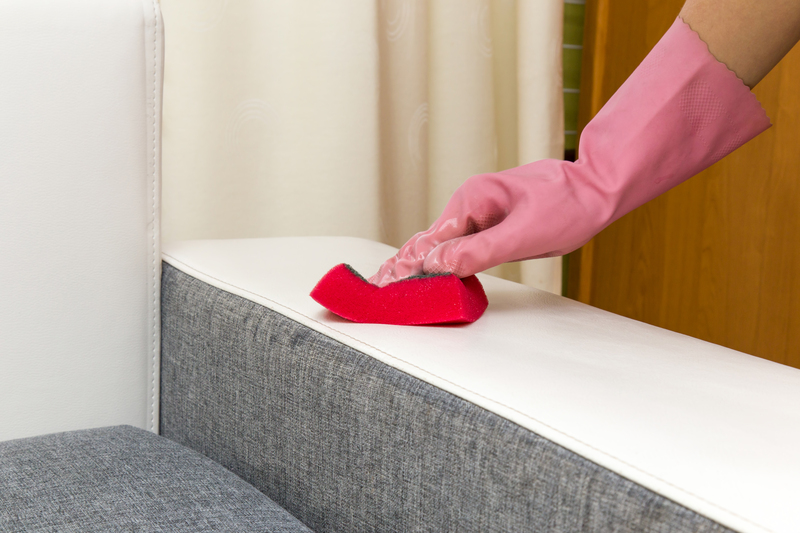
- Porous Materials: For carpets, upholstery, and curtains, use a steam cleaner, or shampoo with an enzyme-based odor remover.
- Bleach Solution: For severe mold infestations (non-porous surfaces only), mix one cup of bleach in a gallon of water. Scrub the area with gloves and ventilation, then let it air dry.
Launder Textiles and Linens
Damp odors can persist in fabrics. Wash curtains, pillowcases, blankets, and other washable items in hot water. Add a cup of baking soda or white vinegar per load to further neutralize musty smells.
Step 4: Use Odor Neutralizers and Air Purifiers
Harness the Power of Natural Odor Absorbers
Odor elimination isn't just about cleaning--neutralizing lingering smells is key. Try these expert-recommended solutions:
- Baking soda: Place open boxes or bowls in affected areas to absorb odors.
- Activated charcoal: Special odor-absorbing bags are excellent for closets and bathrooms.
- Coffee grounds: These can effectively mask and neutralize unpleasant smells with a natural aroma.
Consider Air Purifiers with HEPA and Carbon Filters
Air purifiers equipped with HEPA and activated carbon filters can trap airborne mold spores, dust, and odors, improving indoor air quality and helping to permanently remove musty odors.
Step 5: Prevent the Return of Damp Odors
Routine Maintenance and Monitoring
The best way to keep your space fresh is through ongoing prevention:
- Check plumbing and roofing for leaks every few months.
- Maintain gutters and downspouts so water flows away from your foundation.
- Store items off of basement and garage floors.
- Open closets and drawers regularly to air out contents.
- Run dehumidifiers during humid months.
Seal and Insulate Vulnerable Areas
Use waterproof sealants on foundation walls, apply weatherstripping to doors and windows, and insulate pipes to minimize condensation--a common culprit for damp smells in basements and under sinks.
Advanced, Expert-Approved Solutions
Professional Mold Remediation
If you discover extensive mold growth, calling in professionals is essential. Remediation experts use industrial equipment to eradicate mold, replace contaminated materials, and ensure your property is safe, dry, and free of lingering musty odors.
Ozone Generators as a Last Resort
Ozone generators can neutralize odors at the molecular level, but must be used with caution and when the area is unoccupied, as ozone is hazardous to humans and pets during use. This method is highly effective for removing deeply embedded odors after floods or severe water damage.
Natural Remedies for Odor Removal
Lemon and Essential Oils
Add a few drops of tea tree, lavender, or lemon oil to water and spray onto musty-smelling fabrics or surfaces. Lemon juice is especially effective at cutting through dampness and deodorizing.
DIY Simmer Pots
Simmer a pot of water with lemon slices, cinnamon sticks, and cloves. The steam helps mask residual damp smells while infusing your home with a clean, fresh scent.
Common Areas Affected by Damp Smells
Knowing where to look can help you target odor removal efforts effectively. The most common places harboring persistent damp odors include:
- Basements: Prone to humidity, floods, and leaks.
- Bathrooms: Condensation and poor ventilation.
- Kitchens: Under-sink leaks or appliance malfunctions.
- Garages and crawl spaces: Soil moisture, poor airflow.
- Wardrobes/closets: Trapped moisture from wet clothes or lack of ventilation.
Why Removing Damp Odors Matters
Ignoring damp, musty odors isn't just unpleasant--it can be harmful to your health and home:
- Mold allergies: Trigger sneezing, wheezing, and skin irritation.
- Respiratory problems: Prolonged exposure to mold can exacerbate asthma and other issues.
- Structural damage: Dampness rots wood, damages drywall, and erodes building materials.
- Decreased property value: Persistent damp odors can deter buyers and lower home value.
Summary: Say Goodbye to Damp Smells for Good
Banishing damp odors is a multi-step process requiring both immediate action and long-term prevention. By locating the source of moisture, thoroughly drying and cleaning the area, using odor absorbers, and maintaining a healthy indoor environment, you can ensure that those musty smells vanish permanently. Should the problem be severe, don't hesitate to consult mold remediation professionals for safe and thorough odor removal.
Remember: Regular maintenance and early detection are your best defenses against the return of stubborn damp odors in your home. Stay vigilant, invest in quality ventilation, and enjoy the long-lasting freshness of a truly clean space!
Frequently Asked Questions About Vanishing Damp Odors
- What is the fastest way to eliminate a musty smell?
Quickly ventilate the area, use a dehumidifier, clean all affected surfaces with vinegar or baking soda, and use odor absorbers like activated charcoal for rapid results. - How do I prevent damp odors from returning?
Fix leaks, control humidity with dehumidifiers, ventilate regularly, and inspect for mold or hidden water issues. - Are chemical solutions better than natural remedies?
Chemical mold removers can be more aggressive but natural methods like vinegar and baking soda are often safer, non-toxic, and effective for most situations. - When should I call a professional?
If you notice extensive mold, recurring dampness, or unexplained health symptoms, seek professional evaluation and remediation.
Master these expert-approved techniques, and you'll never be bothered by damp odors again!
Latest Posts
The Art of Repurposing Old Pots and Pans
Creating Healthier Indoor Environments through Better Air Quality
Optimize Your Wardrobe Space: Brilliant Solutions for Small Closets
Eye-Catching Shine: Ultimate Jewellery Cleaning Methods
Transform Your Stovetop with Expert Tips on Burnt Residue Removal


