Common landlord mistakes when hiring professional property cleaners
Posted on 02/11/2026

If you've ever handed over a property for cleaning and then found dust in the skirting boards, streaks on the glass, or a tenant complaining about the oven, you'll know how quickly a "simple clean" can turn into a headache. The most common landlord mistakes when hiring professional property cleaners are rarely dramatic on their own, but they add up fast: missed inventory standards, deposit disputes, delayed void periods, and awkward conversations with letting agents. In other words, the wrong hire costs time, money, and a fair bit of sleep.
This guide breaks down the mistakes landlords make, why they happen, and what to do instead. We'll cover how professional property cleaning should work, what to ask before booking, how to compare services properly, and the practical checks that save you from expensive do-overs. If you manage one flat or a growing portfolio, these details matter more than you might think.
- Why this matters
- How professional property cleaning works
- Key benefits and practical advantages
- Who this is for and when it makes sense
- Step-by-step guidance
- Expert tips for better results
- Common mistakes to avoid
- Tools, resources and recommendations
- Law, compliance, standards and best practice
- Options, methods, or comparison table
- Case study or real-world example
- Practical checklist
- Conclusion
- Frequently asked questions
Why Common landlord mistakes when hiring professional property cleaners Matters
Let's face it: cleaning is not just about making a place look nice. For landlords, it affects turnover speed, tenant satisfaction, inspection outcomes, and sometimes the condition of the deposit handover. A property can be technically "clean" and still fail the standard expected by a new occupier, an inventory clerk, or a managing agent.
The biggest issue is inconsistency. One cleaner may treat a refresh clean like a light dusting job, while you were expecting an end-of-tenancy clean with oven detailing, descaling, interior windows, and all the awkward corners that always seem to collect yesterday's life decisions. If the brief is vague, the result is vague. That's where most landlord pain starts.
There's also the commercial side. A vacant day costs more than most people realise. If cleaning runs late, the next tenancy can slip, viewings can be delayed, and maintenance trades may have to reschedule. For landlords managing properties in busy areas such as Central London or across West London, timing matters even more because availability windows can be tight and tenants often want rapid move-ins.
And then there's the reputation side. A clean property signals care. A rushed or patchy one tells a different story. Tenants notice. Agents notice. To be fair, most people notice within about ten seconds of walking through the door.
How Common landlord mistakes when hiring professional property cleaners Works
Hiring a professional property cleaner should be a simple process: define the job, agree the scope, schedule the visit, inspect the result, and fix anything that's been missed. But in practice, landlords often skip the parts that create accountability.
A proper hire usually begins with the property type and the cleaning objective. Is this a standard refresh, a deep clean, a move-out clean, or a one-off remedial clean before marketing? Those are not the same thing. A one-off clean can be perfectly fine for a tidy let, while an end-of-tenancy clean usually needs more detail and more time. If you need a broader reset before new photos or a void period, a service like one-off cleaning may be more suitable than a quick surface clean.
Good cleaners should also ask questions, not just quote and vanish. They may want to know about the size of the property, the number of bathrooms, whether appliances need attention, whether there's carpet or upholstery, and whether the place has been left in a state that requires extra labour. That conversation is not annoying. It is a good sign.
For many landlords, especially those preparing a flat between tenancies, the most relevant service is often end of tenancy cleaning. The job here is not just visual improvement; it's about restoring the property to a standard that supports inspections, lets, and deposit negotiations. When the brief is clear, the work becomes easier to judge and the result becomes far more reliable.
A sensible process also includes documentation. Photos before and after, a written scope, and clear notes on exclusions can prevent the classic "I thought that was included" argument. That one crops up a lot. More than a bit, truth be told.
Key Benefits and Practical Advantages
When the cleaning hire is handled properly, landlords gain more than a neat-looking property. They get operational stability, clearer expectations, and fewer nasty surprises at the handover stage.
Key advantages include:
- Faster re-letting: A properly cleaned property is easier to photograph, view, and let.
- Better tenant trust: People moving in feel looked after when the property is genuinely fresh.
- Lower dispute risk: Clear cleaning standards reduce arguments about condition and deposit deductions.
- More consistent presentation: Especially useful if you manage multiple properties or deal with frequent turnover.
- Less in-house admin: A well-briefed cleaning team saves you from chasing corrections.
There's also a hidden benefit: mental bandwidth. A landlord who knows the clean is properly handled can focus on inventory checks, repairs, and marketing instead of walking around with a cloth in hand, muttering at a kettle scale line. Small thing? Not really. Those little savings of stress add up.
For properties with specialist items such as carpets, curtains, sofas, or ovens, choosing a cleaner who can handle these as part of the overall job is often more efficient than booking separate providers without a plan. Services like carpet cleaning, oven cleaning, or upholstery cleaning can make a noticeable difference when the property needs a fuller reset.
Who This Is For and When It Makes Sense
This topic matters most for landlords who want a property cleaned to a standard that supports a tenancy change, not just a quick tidy-up. If you're handling your own properties, using a letting agent, or managing a small portfolio, the same principles apply.
It makes sense to use professional property cleaners when:
- a tenant has moved out and the property needs a fresh start
- you are preparing for viewings or new marketing photos
- repairs or decorating have left dust behind
- a tenant has left the place cleaner than expected, but not ready for immediate occupation
- you want a deeper clean after a long tenancy or shared occupancy
It is especially useful if the property includes a lot of hard-to-clean areas, older fittings, or materials that need more careful handling. A landlord in a compact flat in Shoreditch may have very different needs from someone managing a family house in Wimbledon, but the mistakes are usually the same: unclear scope, weak oversight, and choosing the cheapest quote without checking what it actually covers.
And yes, budget matters. But budget without clarity is just a number. You can't compare two quotes properly if one includes appliance cleaning and the other quietly does not.
Step-by-Step Guidance
Here's a straightforward way to avoid the most common landlord mistakes when hiring professional property cleaners.
- Define the cleaning outcome first. Decide whether you need a light refresh, deep clean, end-of-tenancy clean, or a targeted clean for specific rooms or items.
- List the exact areas and fixtures. Kitchens, bathrooms, windows, skirting boards, inside cupboards, appliances, carpets, and upholstery should all be named if you expect them to be covered.
- Ask what is excluded. This is one of the most overlooked steps. If something matters to you, confirm it in advance. Don't assume.
- Request a written quote or scope. A clear list of tasks is much more useful than a vague "full clean" promise.
- Check practical details. Is parking required? Is there lift access? Are utilities on? Is there a key collection arrangement? These details affect timing and reliability.
- Prepare the property. Remove clutter, personal items, and waste unless the cleaner has agreed to deal with them.
- Inspect on completion. Walk through while the cleaner is still on site if possible. It is much easier to fix a missed area immediately than after everyone has gone home.
- Document issues. Take pictures of anything unresolved and pass them on promptly and politely.
A practical tip from real-world turnover work: if a room contains a mix of dusty ledges, greasy switches, and stubborn marks on the floor, ask the cleaner to prioritise the things that will be visible to tenants first. That small bit of direction can save you from a polished kitchen but grubby light switches. Not ideal.
Expert Tips for Better Results
Experience teaches you that good cleaning results are usually about process, not luck.
1. Use the property inventory as your cleaning guide.
If the inventory lists 16 items in the kitchen, use it to check whether those items were cleaned properly. It keeps everyone grounded in what actually exists rather than what someone remembers from a rushed phone call.
2. Match the cleaner to the job.
A domestic cleaner can be excellent for recurring upkeep, while a property cleaner handling a move-out job needs the stamina and equipment for heavier work. For ongoing upkeep between voids or during tenancies, a more regular service like house cleaning or domestic cleaning may be a better fit than one-off appointments every time.
3. Don't hide difficult jobs.
If the oven has burnt-on residue or the shower screen is heavily limescaled, say so. Surprises late in the day create rushed work and poor outcomes.
4. Photograph the property before the clean.
This helps if there are disputes about what was already damaged or dirty. It also helps you brief future cleaners more accurately.
5. Keep a preferred supplier list.
Once you find a team that understands rental standards, keep them close. Familiarity with your property types, turnaround windows, and expectations is worth more than a small saving on a random hire.
Expert summary: the best landlord cleaning results usually come from clear scope, realistic timing, and a proper check on completion. Most failures are not cleaning failures at all; they are briefing failures.
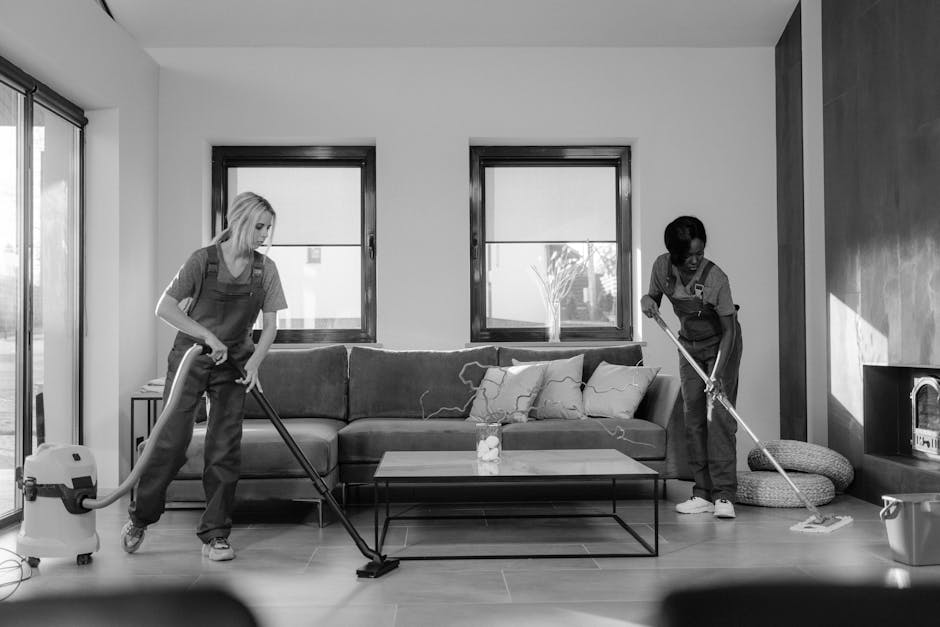
Common Mistakes to Avoid
This is the heart of the subject. These are the mistakes landlords make most often when hiring professional property cleaners, and they are frustratingly avoidable.
1. Choosing the cheapest quote without comparing scope
A low quote looks attractive until you realise it excludes oven cleaning, carpet care, bathroom detailing, or interior windows. Cheap can be expensive when you have to book a second visit.
2. Giving a vague brief
"Please clean the flat" is not a briefing. It is a hope. Say exactly what needs attention and what standard you want.
3. Assuming all cleaners work to the same standard
Different companies define "deep clean" differently. Some include scale removal and appliance interiors; some don't. Ask, don't assume.
4. Ignoring specialist areas
Carpets, curtains, upholstery, and ovens are common trouble spots. If they are part of the property's condition, they need to be part of the plan. Properties that need freshening up after tenants leave often benefit from sofa cleaning or curtain cleaning as well, especially where odours or dust have built up.
5. Not checking access and logistics
If the cleaner arrives and can't get in, or parking is impossible, the job can start late or be rushed. This is a classic avoidable snag in London, where access can be a bit of a dance at the best of times.
6. Failing to inspect the finished work
Some landlords trust the job blindly and only notice issues when the new tenant moves in. By then it's awkward and harder to correct. Always inspect.
7. Booking too late
Leaving cleaning until the day before a move-in is asking for trouble. It leaves no room for overruns, missed areas, or follow-up work.
8. Forgetting about health and hygiene expectations
A clean property should not just look acceptable; it should feel hygienic. That matters particularly after periods of vacancy or where a property has seen heavy use. In some situations, landlords may also consider antiviral sanitisation as part of a broader hygiene response, though it should be booked only where genuinely appropriate.
9. Not confirming who supplies materials
Some cleaners bring everything, others expect the basics to be available. If you assume wrong, the job can stall or finish badly.
10. Treating cleaning as an afterthought
It sounds obvious, but cleaning should be planned alongside repairs, inventory checks, and photographs. If not, the final result gets squeezed into the gaps.
Tools, Resources and Recommendations
You do not need a giant toolkit, but you do need a sensible system. The best landlords keep a few simple resources in place so they can brief cleaners properly and check the result without faffing about.
- Property inventory checklist: Helps you compare the pre-clean and post-clean condition.
- Photo record: Useful for before-and-after comparison and dispute protection.
- Room-by-room scope sheet: Prevents confusion over what should be cleaned.
- Key handover log: Simple, but helpful if multiple people manage access.
- Repair notes: Separates cleaning issues from maintenance issues.
If you are juggling regular cleans, a recurring home-cleaning pattern may also help between tenancies. For landlords with furnished units or multiple rooms, services like carpet cleaning, rug cleaning, and oven cleaning are often the difference between a merely acceptable property and one that feels properly cared for.
It can also help to stay alert to the seasonal cleaning rhythm. A property that sits empty over winter, or after a long spell of use, often needs more than a quick wipe-down. In practice, landlords often pair a clean with a broader refresh, especially when preparing for a new let in areas such as Battersea or Westminster, where presentation matters and time windows can be tight.
One more small thing: keep your preferred cleaner's notes. If they learn that the property has a stubborn extractor fan, a fiddly hob, or a stain that always returns, that history saves time next visit.
Law, Compliance, Standards, or Best Practice
Cleaning itself is usually a practical service, but landlords still need to think carefully about standards, safety, and fair process. The exact legal position can vary by tenancy agreement, property condition, and local circumstances, so if in doubt, take advice from a qualified letting professional or legal adviser.
From a best-practice perspective, the main points are straightforward:
- Meet the condition expected at handover. If the tenancy agreement or inventory requires the property to be returned clean, the clean should be good enough to support that expectation.
- Keep records. Photos, invoices, and written scopes can help if a dispute arises.
- Use safe products and methods. Cleaners should work with suitable materials for the surface and avoid damage through harsh chemicals or poor technique.
- Respect occupational safety. If cleaners are dealing with awkward access, sharp objects, electrical items, or heavy lifting, the job should be set up safely.
- Be fair on fair wear and tear. Not every mark is a cleaning failure. Some issues are simply ageing or normal use.
In UK rental practice, it is wise not to confuse a deep clean with a refurbishment. If paint is peeling, sealant has failed, or an appliance is broken, cleaning will not solve that. This distinction matters more than people think. Cleaning and maintenance are cousins, not twins.
If you manage properties in multiple boroughs or across different London postcodes, build a consistent standard and apply it every time. That consistency protects you far better than trying to improvise each job from scratch.

Options, Methods, or Comparison Table
Landlords usually have three broad choices: basic cleaning, deep cleaning, or specialist one-off cleaning. Picking the right one depends on condition, timing, and what the property needs to look like at the end.
| Cleaning option | Best for | Strengths | Possible drawback |
|---|---|---|---|
| Basic or regular cleaning | Routine upkeep during a tenancy | Quick, cost-conscious, good for maintaining standards | Usually not enough for a full move-out reset |
| Deep cleaning | Properties needing more detail after use or vacancy | Covers harder-to-reach and dirtier areas | Needs clearer briefing and more time |
| End-of-tenancy cleaning | Move-outs, re-letting, deposit-sensitive handovers | Designed for higher handover standards | Can be overkill if the property is already in excellent condition |
| Specialist add-ons | Ovens, carpets, upholstery, curtains, sanitisation | Targets stubborn problem areas | May be priced separately unless agreed upfront |
The useful takeaway is simple: do not book a service category because the name sounds impressive. Book the one that matches the actual condition of the property. Otherwise you end up either paying too much or expecting too much. Neither is ideal.
Case Study or Real-World Example
Here's a very ordinary, very real kind of landlord scenario.
A landlord with a two-bedroom flat near a busy transport link wanted a quick turnaround after a tenancy ended. The place looked "pretty okay" at first glance, so they booked a standard clean and told the cleaner to "sort the obvious bits." That sounded reasonable. It wasn't.
On the day, the team cleaned the visible surfaces, but the oven interior, shower screen, and carpet edges were not handled to the level the landlord expected. The inventory clerk then noted residue in the kitchen and a few missed marks in the bathroom. The landlord had to arrange a second visit, which pushed back photos and delayed the next viewing slot. Annoying? Absolutely. Avoidable? Completely.
What went wrong was not the cleaning crew's effort. It was the scope. The landlord had not defined what "obvious bits" meant, had not asked about specialist areas, and had not checked the finish before releasing the keys. One clearer brief would have saved an extra round of admin and a mildly irritating afternoon on the phone.
The better version of that story is boring in the best way. The cleaner gets a proper checklist, the oven is included, carpets are clarified, the landlord inspects at the end, and the next tenant walks into a property that feels fresh rather than merely touched up. Boring is good here. Boring saves money.
Practical Checklist
Use this checklist before you book a professional property cleaner. It's the kind of thing that takes ten minutes and saves you a very long email chain later.
- Have I defined the exact cleaning goal?
- Have I confirmed whether it is a one-off clean, deep clean, or end-of-tenancy clean?
- Have I listed every room and item that must be included?
- Have I asked what is excluded?
- Have I checked whether appliances, carpets, upholstery, or curtains are included?
- Have I confirmed access, parking, and utilities?
- Have I asked who supplies materials and equipment?
- Have I requested a written quote or scope?
- Have I taken before-clean photos?
- Have I planned time to inspect the clean before handover?
- Have I saved the cleaner's notes for future jobs?
If you can tick all of that off, you are already ahead of many landlords. Honestly, quite a lot ahead.
Get a free quote today and see how much you can save.
Conclusion
The common landlord mistakes when hiring professional property cleaners are usually not mysterious. They are small process failures: vague briefs, rushed bookings, weak comparisons, and skipped inspections. But because they happen at exactly the wrong time, they can create awkward tenant handovers, slower lets, and more work for everyone involved.
The good news is that these mistakes are easy to reduce once you treat cleaning as part of property management, not an afterthought. Define the job clearly, compare the scope rather than just the price, and check the result before you move on. That one habit can save a surprising amount of stress.
And if you get it right, the property feels calmer, cleaner, and easier to hand over. That's the real win, isn't it? A smooth turnover, a fresh start, and one less thing to chase on a busy day.


